Formazione avanzata per gestire e valorizzare produzioni cinematografiche,
televisive e audiovisive, coniugando creatività e competenze manageriali
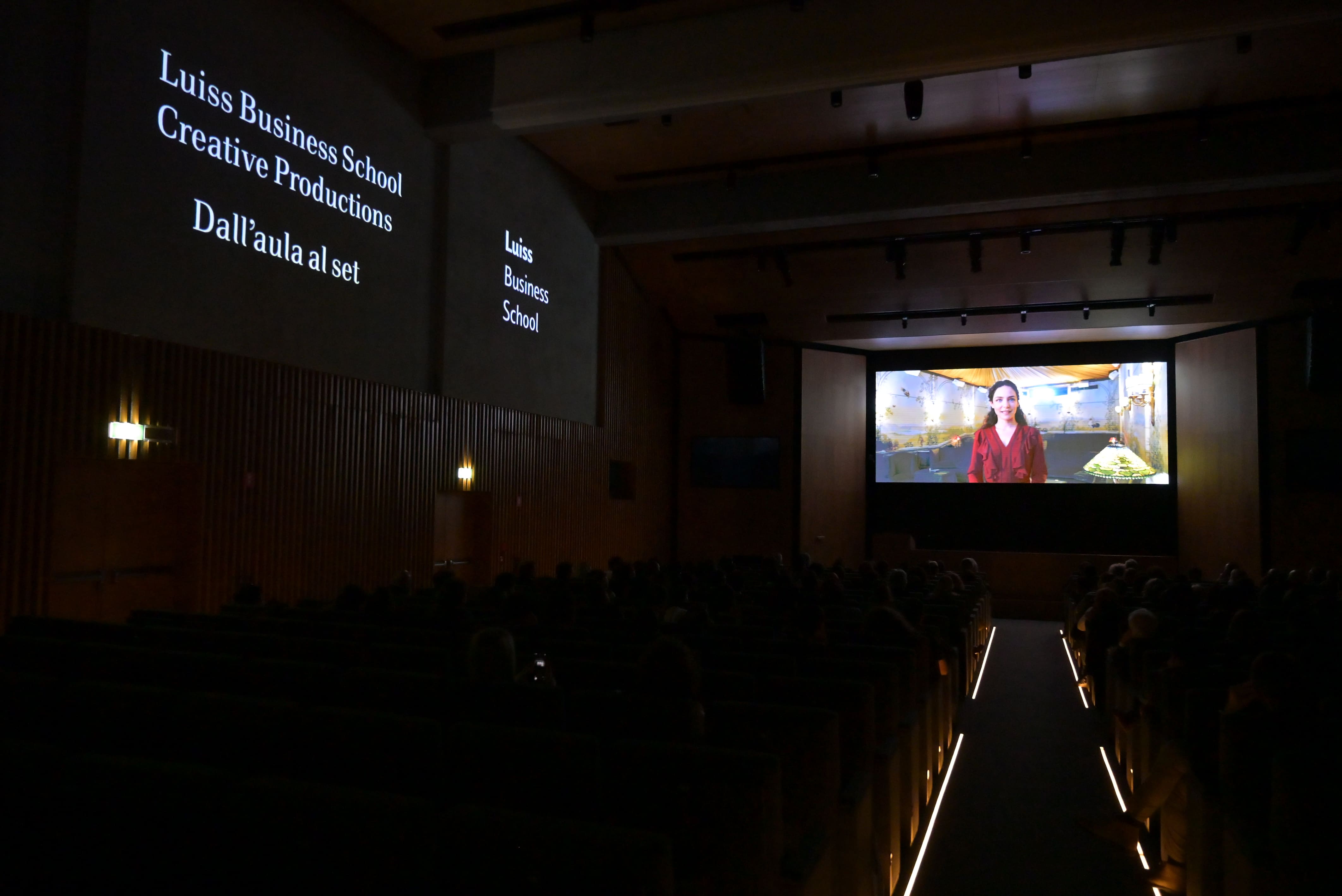
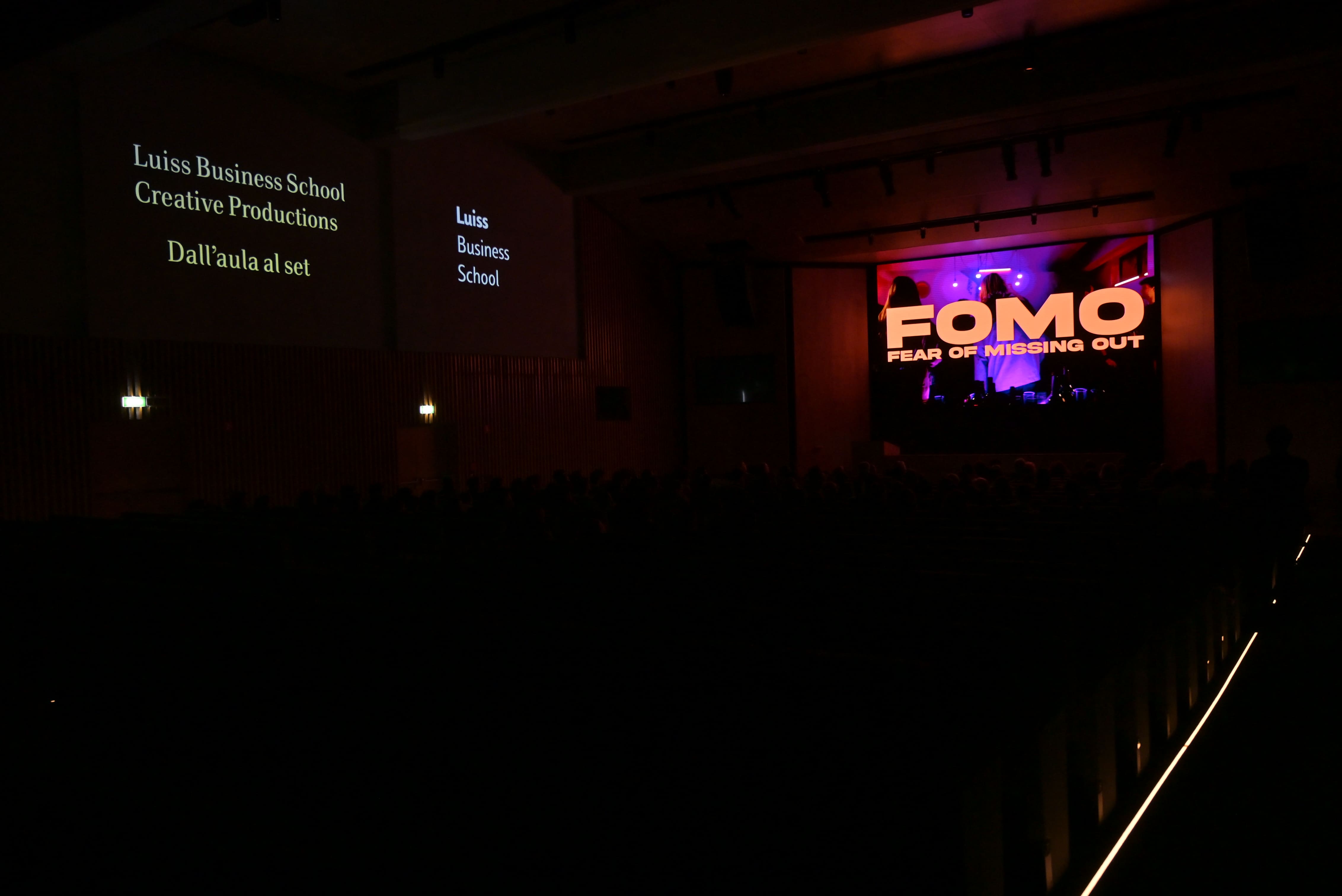
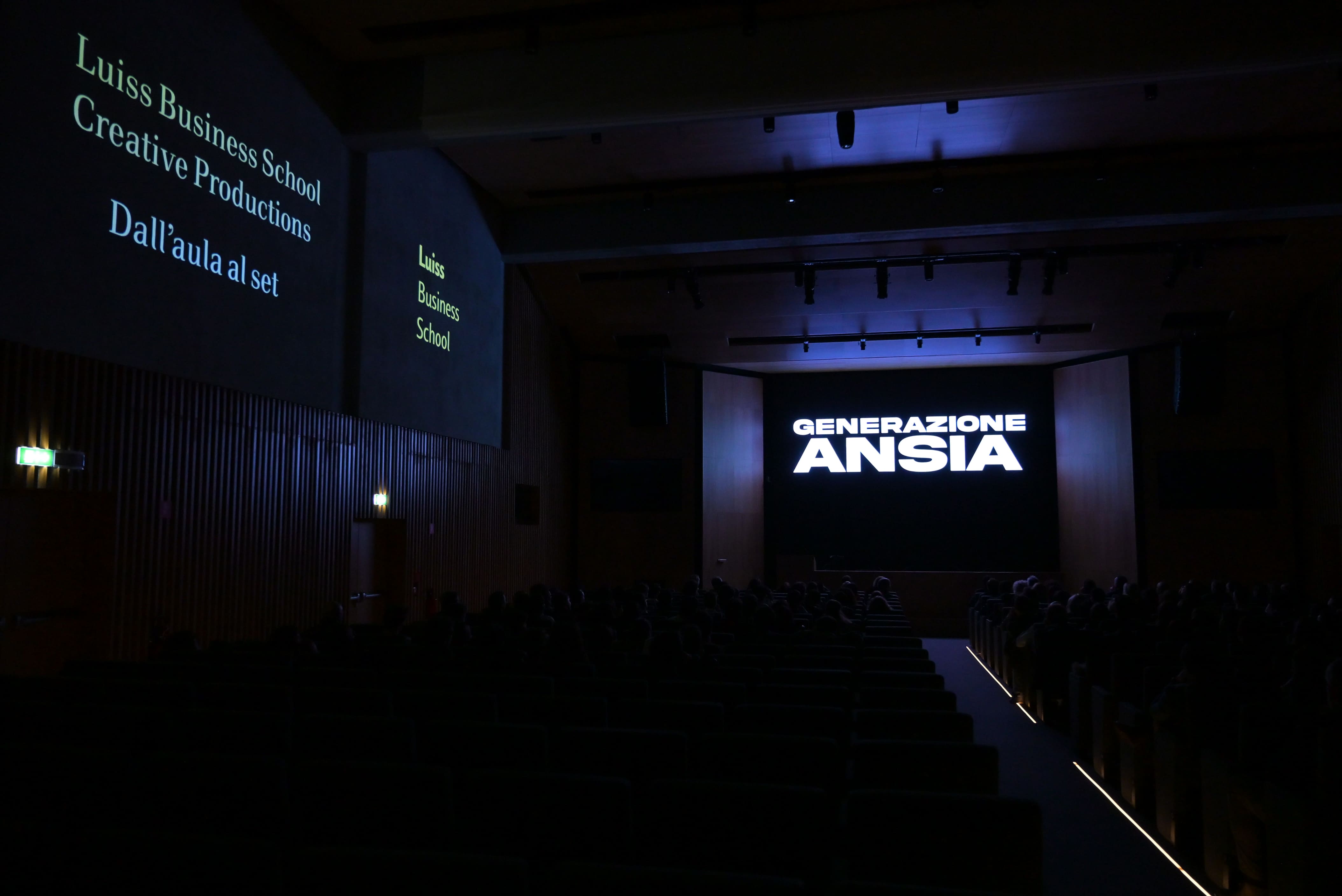
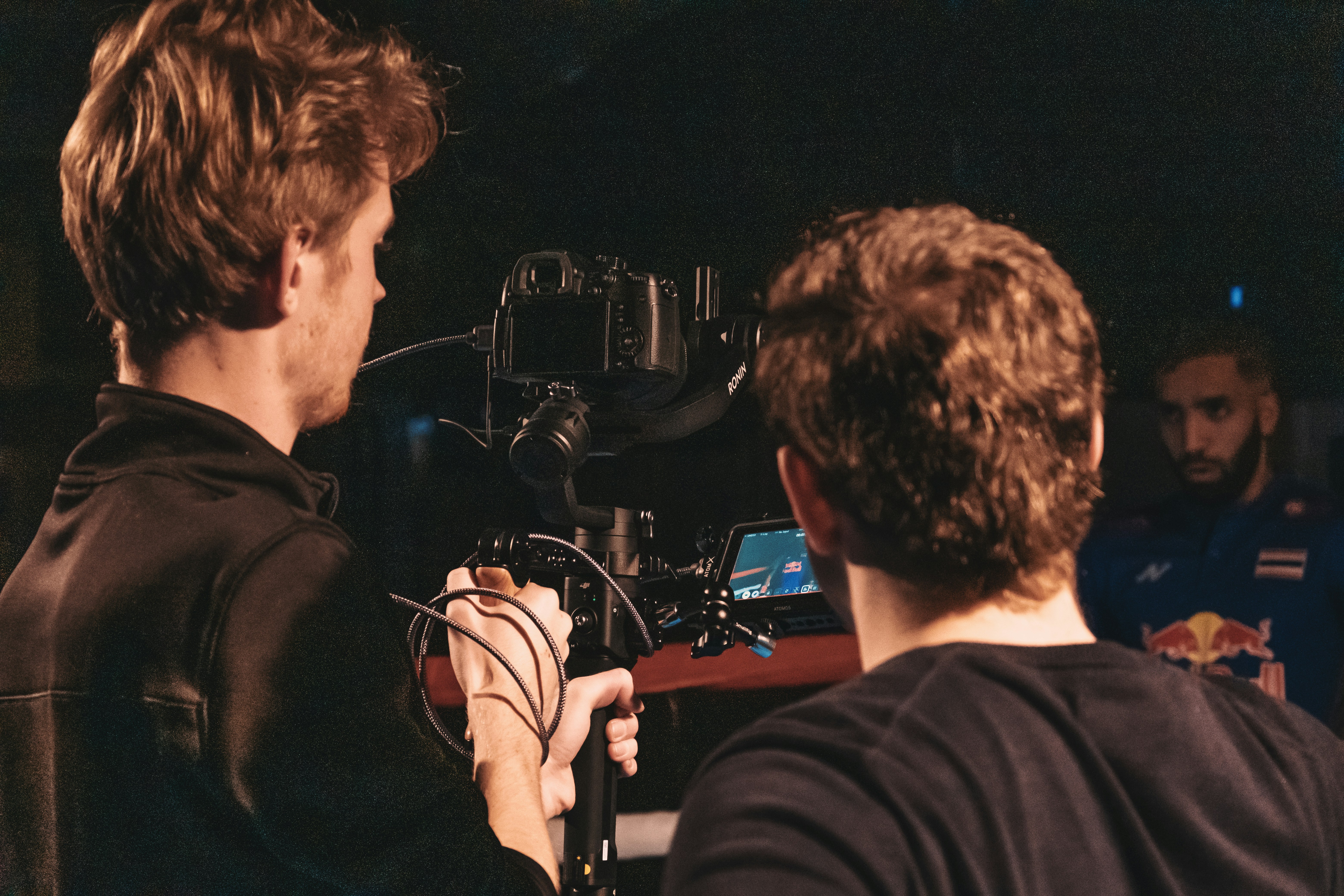
Al termine del Master, gli studenti presentano i propri concept per il pilot di una serie TV. Il progetto selezionato viene poi realizzato dagli allievi, in tutte le fasi editoriali, produttive e di post-produzione, con la supervisione di professionisti del settore e con il supporto
di una giuria di esperti che guida e valorizza lo sviluppo creativo.
Con un placement rate del 100%, una faculty di caratura internazionale e la solidità di un network di partnership aziendali, la formazione full-time Luiss Business School ha l’obiettivo di trasmettere competenze avanzate e immediatamente applicabili, agevolando l’upskilling e accelerando la crescita professionale e personale di giovani professionisti e neolaureati.
Scrivici per prenotare una sessione di orientamento
e scopri il percorso più adatto alle tue ambizioni!
© Luiss Business School Spa “a socio unico” n. iscr. Registro Imprese Roma / p.iva /c.f. 16656061005, capitale sociale i.v. 30.000.000,00 euro.
Villa Blanc, Via Nomentana, 216 - 00162 Roma | Tel. +39 06 85 22 51 | Email: luissbs@luissbusinessschool.it | Informativa sul trattamento dei dati di navigazione | Cookie policy
Inside, the interface was a retro-futurist cathedral. Cube-shaped thumbnails hovered in slow orbit, their posters lit by phosphorescent edges; each title pulsed with a heartbeat of color that matched its mood. Action films flared in molten orange; moody indies exhaled deep indigo; comedies fizzed in playful lemon. Hovering one thumbnail produced a translucent card: runtime, bitrate, a cryptic user-sourced rating, and a tiny gauge that measured the file’s “clarity” like a star’s brightness.
But behind that beauty, there was a soft danger — the thrill of trespass. The site wore anonymity like perfume: vague mirrors of identity, ephemeral accounts, and a breadcrumb trail that dissolved after a session. It felt like a back alley screening room where the rules were whispered, not posted. Old movies found new lives; obscure regional films arrived like messages in a bottle; bootlegs and rare prints flickered with the romance of rescued memories. www hdmovies300 space
The roof of the internet had a name tonight: www hdmovies300 space. It glittered like a neon constellation stitched into the black velvet of the web, promising films at the speed of breath and a secret ache of forbidden access. You could almost hear the server hum — a low, oceanic purr beneath the hustle of loading bars and the whisper of fans. Inside, the interface was a retro-futurist cathedral
The magic was in the transcoding engine — a chimera of efficiency and indulgence. It promised near-instant adaptation to your bandwidth: a braided stream that braided resolution and texture so even low data equaled cinematic depth. There were options for cinephiles: preserve grain, prioritize color accuracy, or render with an emulation of a specific projector. On slow connections, an adaptive shimmer preserved tonal intent while slimming file detail; on fast lines, it served up a buttery 4K that smelled of celluloid. Hovering one thumbnail produced a translucent card: runtime,
www hdmovies300 space was less a website than an invitation: to wander, to remember, to pirate the aesthetic of cinema and make it your own. It promised discovery with an undertow of risk, an archive that was as intimate as a whisper and as wide as the night sky. When the credits rolled, the thumbnails resumed their slow orbit, and somewhere between the neon and the dark, someone clicked play again.
Community lived in the margins. Comments scrolled like footnotes on a filmstrip: short, sharp impressions; late-night essays; frame-by-frame arguments about a director’s intent. Contributors dropped in screenshot mosaics — freeze-framed moments annotated with neon arrows and handwritten reveries. There were curated playlists named after moods: “Midnight Back Alley,” “First Snow Drive,” “Two-A.M. Confessions.” Each playlist felt like a mixtape passed under a dorm-room door.
Navigation felt tactile. A cursor became a fingertip of light that slid across gradients and glass, pulling open trailers in micro-windows that expanded like portals. The search box listened like an oracle — you typed in three words and it returned an entire summer: grainy 90s rom-coms with cigarette smoke halos, neo-noir scores that smelled of rain, and animation so saturated the colors almost bled. Results arranged themselves into constellations — director, decade, codec — letting you chase tastes instead of titles.