Amtsilah Jadidah Pdf May 2026
High resolution interactive side scan sonar data processing and interpretation, fast and efficient.
High resolution interactive side scan sonar data processing and interpretation, fast and efficient.
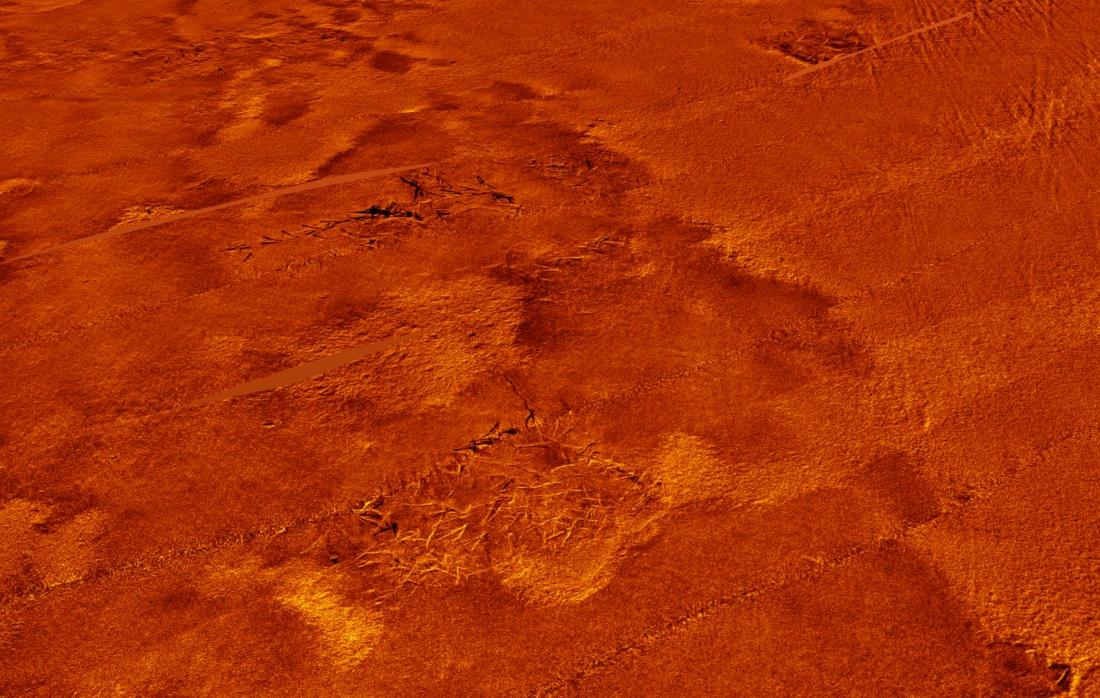
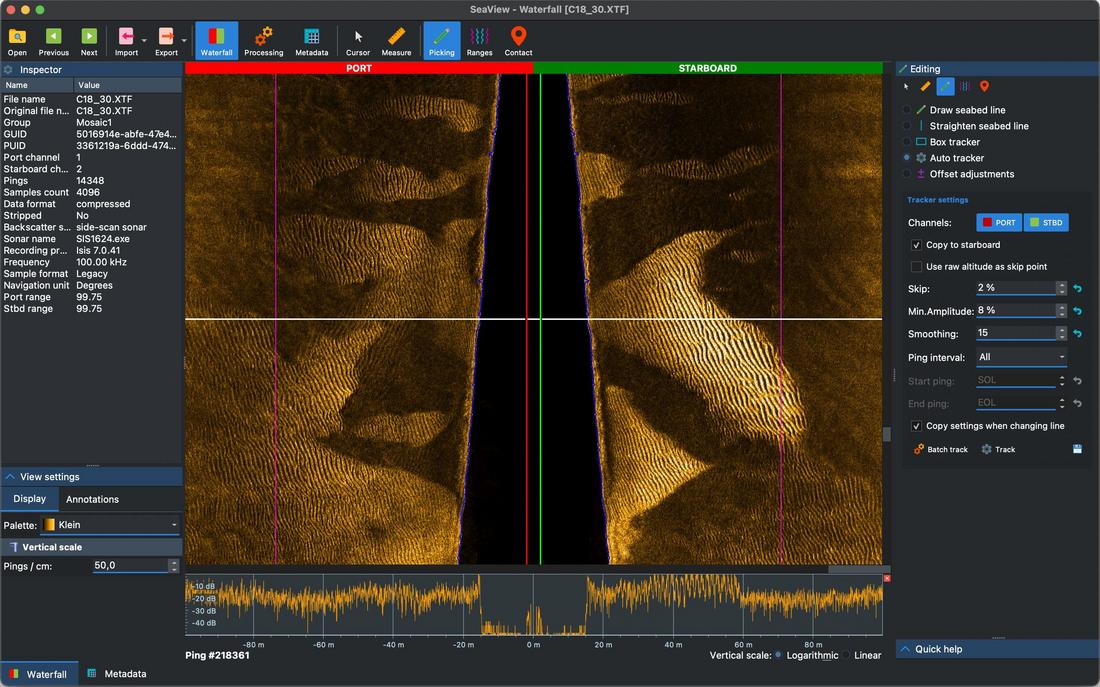
SeaView MOSAIC is the first post-processing and interpretation software for side-scan sonar capable of interactive mosaic editing at full resolution.
The software also features two novel algorithms: automatic normalization (AGC) and de-striping. These filters produce clean and crisp results, delivering high-resolution seafloor imagery with unmatched quality.
SeaView MOSAIC can export mosaic images at centimetre resolution in just a few minutes.
Manage large datasets (tens of TB) and interpretation databases (tens of thousands of contacts) with ease.
SeaView MOSAIC preserves the same resolution of the waterfall view into the final mosaic output.
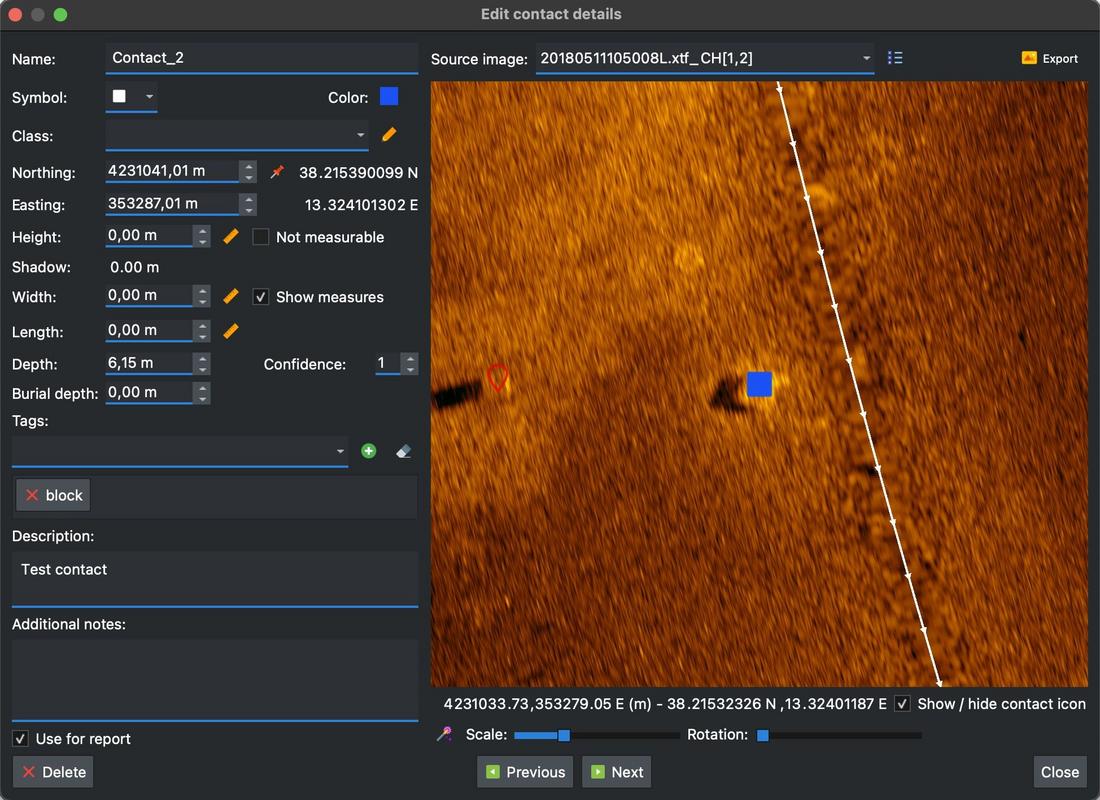
Fully compatible with industry standards
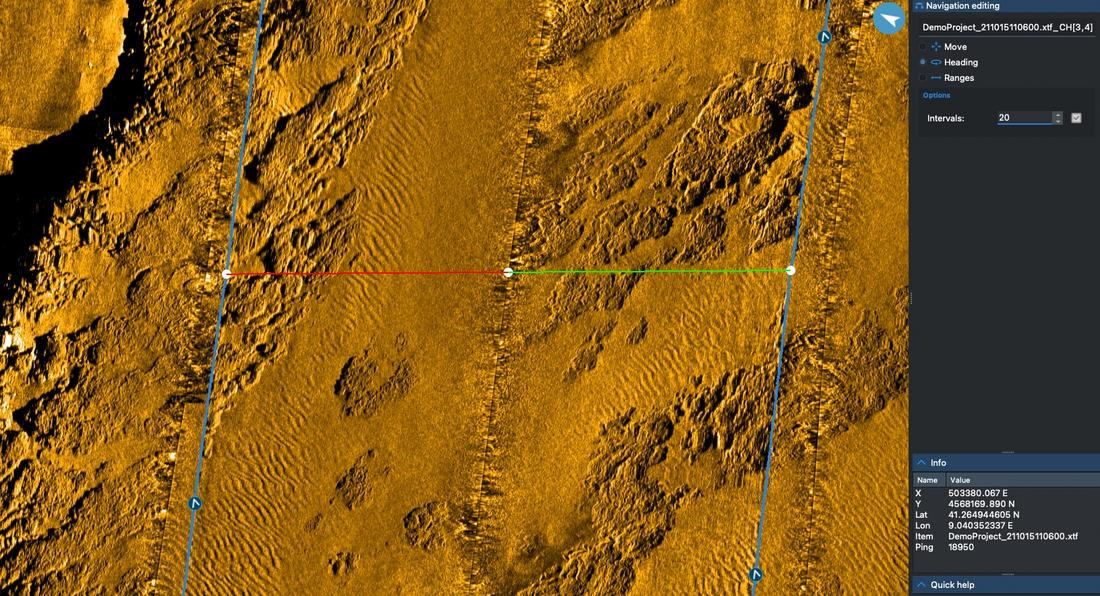
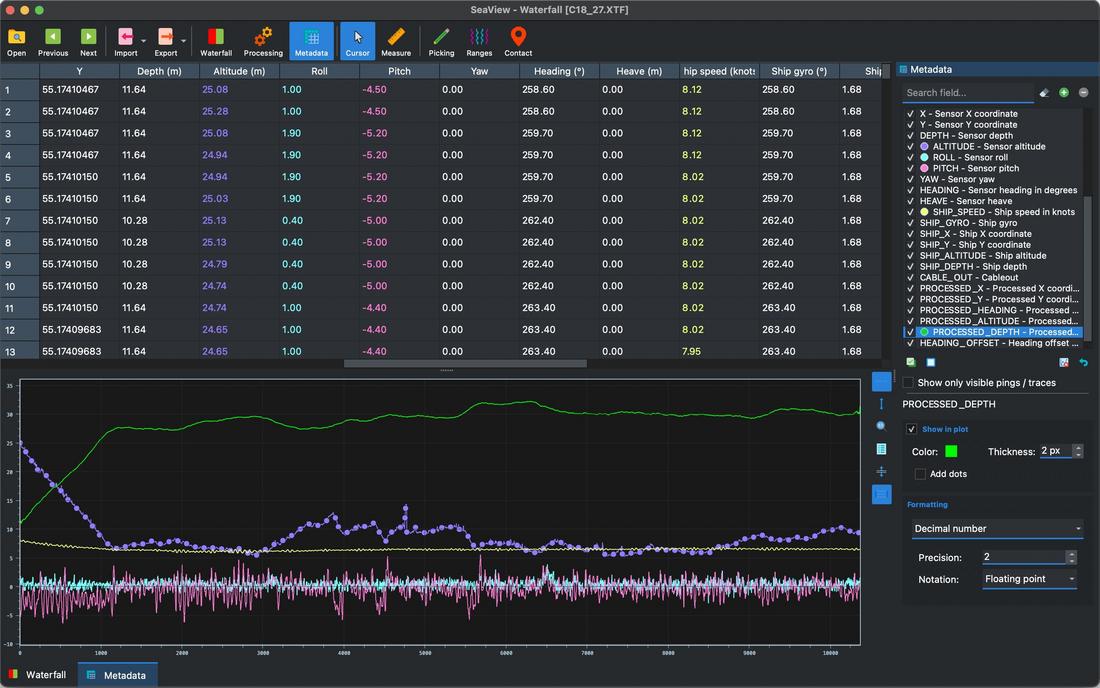
With SeaView you can remove repeated positions, filter heading values and apply layback corrections point by point.
Merging navigation logs into side-scan files recorded from AUVs is easy with our simple navigation import tool.
The advanced editing tools allow you to fix complex navigation issues interactively: adjust position and heading or cut ranges by hand.
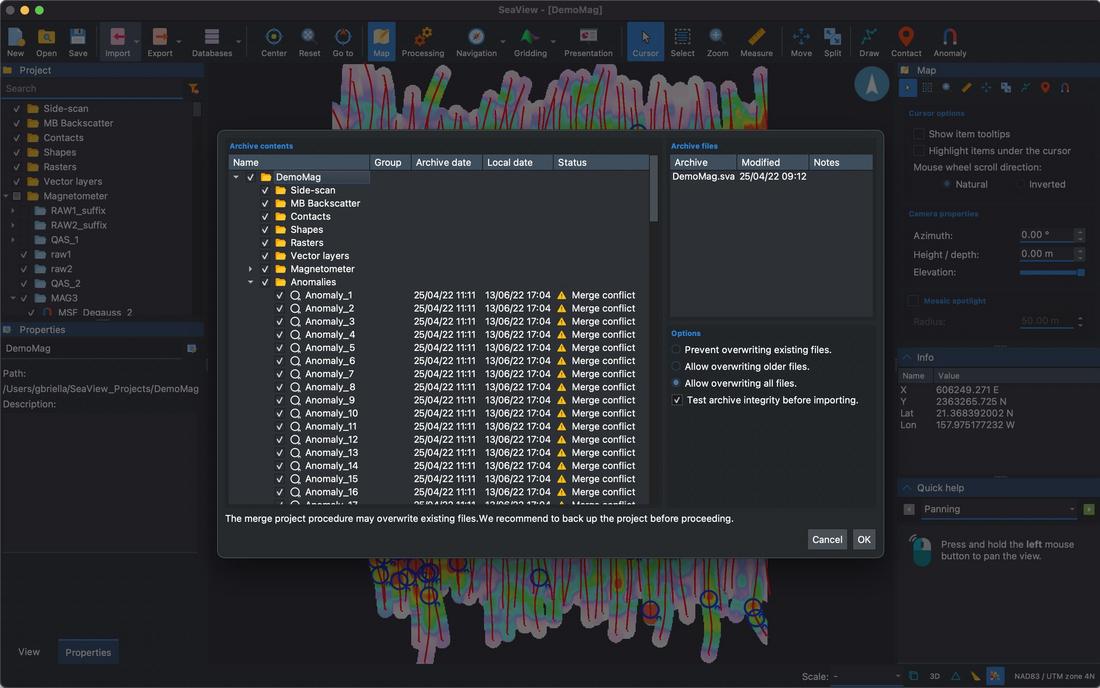
Provide daily updates to your client and onshore offices during operations with our incremental SeaView archives.
Internet speed won't be an issue anymore.
SeaView archives support password protection and digital signatures to detect and prevent data corruption.
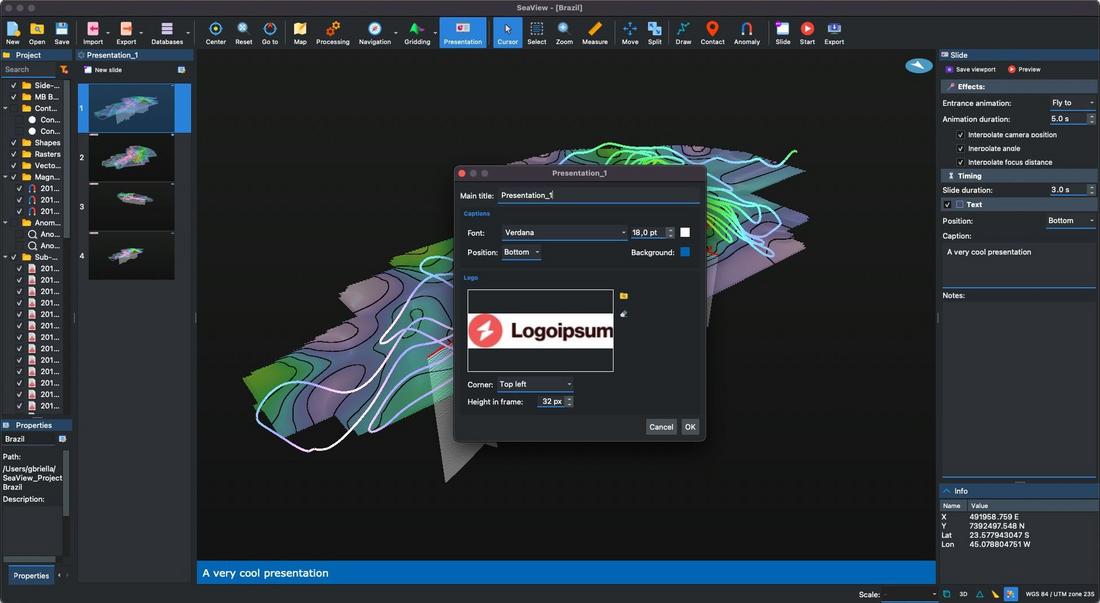
Create video presentations of your project with ease. Define keyframes, animations and captions with a few clicks.
Add your logo in video overlay to emphasize your corporate identity.
Play the presentation preview in SeaView or export it as a video in one click.
Learn more about the other modules in the SeaView suite or contact us for a free trial.
Wait, maybe they're looking for information on using stone in modern architecture, environmental impact, or historical significance. Alternatively, could be a specific term in a particular field like geology or art. Let me think if I've heard of any specific terms like that. Also, considering the PDF aspect, they might need citations or references.
I should start by confirming the term's definition. If it's not a recognized term, I may have to approach it as a creative essay on the modern relevance of stone. Alternatively, if it's a specific academic term from a Middle Eastern context, I need to address that. I should structure the essay with an introduction, body discussing different aspects of stone in modern times, and a conclusion. amtsilah jadidah pdf
The phrase which translates to "new stone" in Hebrew, invites a reflection on the enduring and evolving role of stone in the modern world. While stone is one of the oldest materials used by humanity—crucial in ancient construction, art, and tools—its contemporary significance extends beyond historical utility. This essay explores how stone continues to shape modern society, addressing its role in architecture, sustainability, cultural identity, and technological innovation. 1. Stone in Modern Architecture: Tradition Meets Innovation Stone remains a cornerstone of architectural design, blending aesthetic beauty with structural durability. Modern architects employ advanced techniques to extract, cut, and shape stone, enabling the creation of complex, sustainable, and visually stunning structures. For instance, cities like Tel Aviv and Jerusalem have revitalized historical stone-use traditions in new ways, such as using locally quarried limestone in contemporary buildings that echo ancient motifs while meeting modern engineering standards. Wait, maybe they're looking for information on using
In construction, offer the appearance of natural stone while using significantly less material. These innovations demonstrate how stone adapts to technological progress, maintaining its relevance in a rapidly evolving world. Conclusion: A Timeless Material for the Future "Amatsilah Jadidah" symbolizes more than a material; it represents a philosophy of continuity and adaptation. Stone’s journey from ancient civilizations to modern megacities underscores its versatility and resilience. By embracing sustainable practices, honoring cultural roots, and leveraging technology, stone remains a vital resource in shaping our future—both literally and metaphorically. As societies strive for harmony between tradition and progress, stone stands as a testament to humanity’s enduring creativity and connection to the earth. This essay highlights the multifaceted relevance of stone in the modern era, urging a balanced approach that respects the past while innovating for tomorrow. For further exploration, one might examine case studies of modern stone projects or analyze policy frameworks for sustainable quarrying. The "Amatsilah Jadidah" movement, if formalized, could inspire a global dialogue on responsible material use and cultural preservation. Also, considering the PDF aspect, they might need
Moreover, public art and monuments in cities worldwide use stone to commemorate cultural narratives. Murals, sculptures, and memorial walls crafted from local stone not only honor heritage but also foster community pride. The concept here reflects a bridge between ancestral legacy and future aspirations. 4. Technological Advancements in Stone Utilization Modern science has revolutionized how stone is utilized. Research into geopolymer stone , which uses industrial byproducts to mimic the properties of traditional stone, reduces reliance on natural quarries. Additionally, smart stone composites embedded with sensors can monitor structural integrity in real-time, enhancing safety in buildings and infrastructure.
Possible angles: technological advancements in stone processing, cultural significance, sustainability, economic aspects. Also, maybe mention traditional vs. modern uses. Need to ensure the essay is comprehensive but clear. Check for any available resources on the internet about modern stone uses in relevant regions. Maybe include examples like modern architecture using stone, or how ancient techniques are adapted today. Alright, time to outline the essay based on these thoughts.